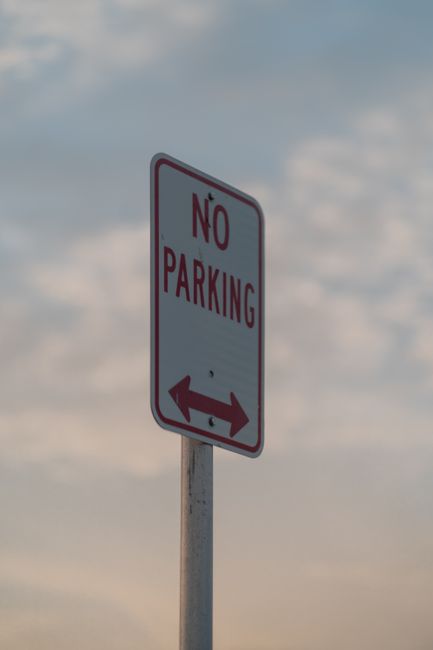
Wandsworth parking rules for vans: avoid fines
If you are moving a van in Wandsworth, the parking rules can feel annoyingly easy to get wrong. One minute you are just trying to unload a sofa or deliver stock, and the next you are staring at a penalty notice on the windscreen. That is exactly why understanding Wandsworth parking rules for vans: avoid fines matters before you even turn the engine off.
This guide breaks the subject down in plain English. You will learn how van parking usually works in Wandsworth, where drivers tend to slip up, what to check before a move or delivery, and how to plan a stop that does not become an expensive detour. We will keep it practical, local, and realistic. Truth be told, the difference between a smooth job and a stressful one is often just ten minutes of preparation.
Quick take: If your van is stopping in Wandsworth for loading, unloading, waiting, or parking, treat every bay, line, sign, and time restriction as if it could matter. It usually does.
Why Wandsworth parking rules for vans: avoid fines Matters
Wandsworth is busy, built-up, and often unforgiving when a vehicle is left in the wrong place. That is not unique to this borough, of course, but if you are driving a van, the stakes rise quickly. Vans are larger than cars, more awkward to place neatly, and more likely to cause obstruction if stopped carelessly. Enforcement can be strict around bay use, yellow lines, kerb access, and loading activity. A short stop that seems harmless to a driver can still attract a fine if the vehicle, the timing, or the paperwork is off.
For anyone arranging a home move, office relocation, furniture collection, or commercial delivery, parking is not just a background detail. It is part of the job. In our experience, many van-related fines are not caused by reckless behaviour. They come from rushing, guessing, or assuming that "just five minutes" will be fine. Wandsworth parking rules for vans: avoid fines is really about removing that guesswork.
There is also a wider practical point. If your van cannot stop close to the property, every extra metre means more carrying, more risk of damage, and more time on the clock. That matters if you are managing a move yourself or using a service like man and van support in London or a larger vehicle from moving truck hire. A parking mistake can snowball into delays, awkward access, and a job that drags on through the afternoon. Nobody wants that, especially when it starts raining at half past three.
How Wandsworth parking rules for vans: avoid fines Works
Van parking in Wandsworth is usually governed by a mix of local restrictions and common-sense loading rules. The exact details depend on the street, the bay markings, time of day, local signs, and the type of activity you are carrying out. The key thing to understand is that there is no one-size-fits-all "park anywhere for loading" rule. You have to read the street in front of you.
At a practical level, the system usually comes down to four questions:
- Is the place a legal stopping point for a van? Check the signs, lines, and any bay restrictions before you commit.
- Are you loading or unloading, or simply parking? These are not always treated the same way.
- How long will you be there? Short loading stops may be treated differently from longer waits.
- Does the vehicle size or weight matter here? Some spaces are fine for cars but awkward or unsuitable for vans, especially in narrow residential streets.
That sounds obvious, but in real life the pressure is often on. A client is waiting upstairs, the neighbour has already pulled out, or the van behind you wants to squeeze through. This is when errors happen. One of the simplest habits is to have the driver step out and read the sign before anyone starts carrying boxes. It takes a minute. A fine can cost much more.
If your move is commercial, office-based, or requires repeated stop-start access, it can help to plan the vehicle and loading sequence in advance. Services such as commercial moves and office relocation services usually benefit from a tighter parking plan because there is less room for last-minute improvisation. To be fair, improvisation and parking tickets are not a great mix.
Key Benefits and Practical Advantages
Getting van parking right in Wandsworth is not just about avoiding penalties, although that is the headline benefit. It also improves the whole move. A good parking plan helps with timing, safety, and customer experience.
- Fewer fines and disputes: Clear parking decisions lower the chance of enforcement action.
- Faster loading and unloading: Parking closer means less walking and less carrying.
- Lower damage risk: Shorter carrying distances reduce the chance of knocking furniture, walls, or kerbs.
- Better crew efficiency: A van that can stop legally and sensibly keeps the team moving.
- Less stress: People always feel calmer when parking is sorted. You can hear the difference in the tone of a move.
There is also a customer-service angle. If you are moving a household, the first impression on arrival matters. A van parked awkwardly across a junction or blocking a drive can set the wrong tone instantly. If the job involves full-service help such as home moves, house removalists, or packing and unpacking services, a clean parking setup makes the whole day feel more organised. And yes, organised is what you want when there are boxes labelled "kitchen" in three different handwritings.
Who This Is For and When It Makes Sense
This topic matters to more people than you might think. It is not only for professional removal drivers. If a van is arriving in Wandsworth for any sort of stop that touches the public highway, the rules can matter.
- Private movers using a hired van to move a flat, house, or storage items.
- Removal teams handling household relocations, large furniture, or multi-stop jobs.
- Tradespeople carrying tools and equipment to domestic or commercial properties.
- Retailers and suppliers making deliveries or collections.
- Office managers arranging an internal move or fit-out.
- Anyone with a large vehicle who needs to stop in a restricted London street.
It makes sense to plan ahead whenever you expect more than a very brief stop. If the job involves bulky furniture, multiple trips, or a narrow road with no obvious place to wait, you should assume parking will need active management. For heavier or larger loads, using a removal truck hire option may change your access needs, so it is even more important to check whether the vehicle can be parked sensibly near the property.
Not every job needs the same level of planning. A single item collection on a quiet street is different from a full-house move on a weekday morning. But if your van is entering Wandsworth and you are wondering whether the stop is "probably fine," that is usually your cue to slow down and look properly.
Step-by-Step Guidance
Here is a practical way to handle van parking in Wandsworth without overcomplicating it.
- Check the street before the van arrives. If possible, one person should scout the parking space, signs, and road markings on foot. Do not rely on a quick glance from the driver's seat.
- Read every sign on the nearest post. Look for loading limits, resident-only restrictions, pay-and-display rules, time windows, and any suspended bays. A sign tucked just beyond the bonnet can still control the space you want.
- Match the stop to the activity. Loading, unloading, waiting, and parking are different things. Be clear about which one applies.
- Position the van safely and legally. Leave enough room for traffic, keep accesses clear, and avoid blocking dropped kerbs, driveways, crossings, or junctions.
- Keep the stop active. If you are relying on a loading exemption, make sure the vehicle is being used for the task. Long gaps with no movement are where trouble often starts.
- Reassess if the job changes. If unloading takes longer than planned, or the street becomes busier, move the vehicle if needed rather than assuming it will still be okay.
- Record what you did. Take a quick note or photo of the signs and bay position if there is any ambiguity. It can help later if a PCN is issued and you need to challenge it.
A small detail that saves people a lot of hassle: always build in one extra parking option. One street may look fine until a delivery lorry arrives, or a neighbour's car leaves and suddenly the curb space disappears. London has a habit of changing its mind very quickly. It does that.
Expert Tips for Better Results
After enough van jobs, you start to notice patterns. The people who avoid parking fines are rarely the luckiest. They are just more deliberate.
Plan the parking before the lifting starts. This sounds almost too simple, but it is one of the biggest differences between a clean job and a stressful one. If the driver has to hunt for a space while the team stands around with a wardrobe, everyone loses time.
Use short loading windows wisely. If you are stopping only briefly, keep the vehicle attended and the activity obvious. Do not wander off for a coffee. Tempting, yes. Wise, not really.
Choose the right vehicle size. In tighter streets, a smaller van may be much easier to place legally than a larger truck. That is one reason many people prefer flexible options like man with van support for residential jobs, or a compact setup for single-item collections.
Keep an eye on kerbside behaviour. A space that looks empty may still be restricted by time, signage, or nearby access. The lack of parked cars is never a guarantee. Not even close.
Be realistic about timing. If a move is likely to run long, factor that into your parking choice from the start. It is better to secure a lawful, slightly less convenient spot than to gamble on a risky one near the door.
Coordinate the team. If one person is carrying and another is watching the van, the stop is usually more controlled. This matters on busy roads where you need someone to react quickly if traffic builds or a restriction starts to bite.
Common Mistakes to Avoid
Most van parking fines come from a handful of very ordinary mistakes. Nothing dramatic. Just small, expensive slips.
- Assuming loading is always allowed. Many drivers think the words "loading only" are a free pass. They are not.
- Ignoring time plates or nearby signs. A single sign can change the rules for a whole bay.
- Stopping with only part of the vehicle in a bay. If the van overhangs or sits awkwardly, you may still be in trouble.
- Leaving the vehicle unattended too long. If no one is clearly loading or unloading, the stop can be questioned.
- Blocking driveways, crossings, or corners. Even if the stop is brief, it can cause obstruction issues.
- Not checking for bay suspensions or temporary changes. These happen more often than people expect, especially around works or events.
- Guessing because "everyone else does it." That is how tickets happen. Other people's bad parking is not a legal defence.
A particularly common problem in moving day scenarios is the assumption that a van can just sit outside the property until the entire load is ready. In reality, the street may not allow that. If you are handling a full domestic move, using structured help from home moves specialists can make parking and timing easier to coordinate. For businesses, the same applies to commercial moves and office jobs where loading time and access are often more complex than they first look.
Tools, Resources and Recommendations
You do not need fancy kit to get parking right. You do need a few reliable habits and the right support around the job.
- Route planning: Know the streets before arrival, especially if the property is on a narrow or one-way road.
- Job notes: Keep clear notes about arrival time, loading duration, and any access issues.
- Photo evidence: A quick photo of the bay, signs, and vehicle position can be useful if something is disputed later.
- Vehicle choice: Pick a van or truck that suits the access, not just the cargo volume.
- Service guidance: If you are not sure which vehicle size fits the job, a provider such as pricing and quotes information can help you compare options before booking.
For customer peace of mind, it is also sensible to use a company that is clear about safety and operational standards. Pages such as insurance and safety, health and safety policy, and about us can tell you more about how a provider approaches the practical side of moving, not just the booking side.
If you are disposing of unwanted items as part of the move, it can also be worth planning the collection and recycling route carefully. A tidy handover with less street clutter tends to go better, and it is easier to stay within the rules when the load is organised from the start. That is one reason some customers combine parking planning with furniture pick-up or broader removal services.
Law, Compliance, Standards, or Best Practice
Parking and loading rules in Wandsworth are ultimately about local traffic control, road safety, and fair access. You should always treat signs and markings as the first authority on the street. If there is any conflict between what seems convenient and what the street requires, the signage wins. That may sound obvious, but it is the bit people overlook when they are in a hurry.
For vans, the most relevant best practice is to separate legal parking from operational stopping. Legal parking means the vehicle is allowed to remain there. Operational stopping means the vehicle is there to load or unload and the activity is active, necessary, and reasonably continuous. In practice, those ideas can overlap, but they are not identical. If you are using a loading exception, do not stretch it beyond what the situation reasonably supports.
Good compliance also means being careful with obstruction. Even if the van is technically close to the property, it should not make the street unsafe or unusable for others. Residents still need access. Emergency vehicles still need room. Deliveries still need to move. Once you start thinking that way, the parking decision gets easier.
If you are arranging a large or repeated move, using a provider with clear terms such as terms and conditions and straightforward payment and security information is simply good practice. It helps everyone understand what is included, what is not, and how the job will be handled if access is tricky.
Options, Methods, or Comparison Table
Different parking approaches suit different kinds of van jobs. Here is a simple comparison to help you choose the least risky method for your situation.
| Option | Best for | Strengths | Watch out for |
|---|---|---|---|
| Pre-checked legal bay | Planned moves and longer jobs | Most reliable, least stressful | May be slightly farther from the property |
| Active loading stop | Short deliveries and unloading | Convenient, quick | Requires clear activity and close attention to time limits |
| Residential curb space | Quiet streets with enough room | Easy access when available | Rules can change by time or permit requirements |
| Large vehicle close-in parking | Heavy, bulky, or multiple-item jobs | Reduces carrying distance | Harder to fit safely in narrow streets |
| Smaller van and multiple trips | Tight access areas | Easier to place legally | Can take longer overall |
As a rule of thumb, the safest choice is the one that creates the fewest unknowns. If a smaller van means easier parking and less chance of obstruction, that may be better than forcing a larger vehicle into a marginal space. The clever move is not always the biggest vehicle. Sometimes the clever move is the one that lets you sleep that night.
Case Study or Real-World Example
Imagine a flat move in Wandsworth on a weekday morning. The team arrives with a medium-sized van, expecting to stop right outside the building. At first glance, there is a clear kerb space. Nice and easy, or so it seems. But a closer look reveals a nearby restriction plate and a loading limit that only applies during certain times. The driver nearly parks there anyway because the lift is already booked and the client is waiting by the door.
Instead, the team spends two extra minutes checking the street, finds a lawful alternative space a short walk away, and confirms the loading process before bringing anything out. It is not perfect. It means a slightly longer carry with the first few boxes, and someone has to shuttle items carefully. But the stop is lawful, the job stays calm, and there is no fine to deal with later.
That kind of choice is boring, really. But boring is good in parking. Boring means no penalty notice, no angry phone call, and no argument with an enforcement officer on a damp pavement while a wardrobe blocks half the road. Practical wins. Almost every time.
For a larger or more complex move, the same logic applies. If the access is tight, a company offering removal truck hire or a more tailored man with van service can help match the vehicle to the street, not the other way around.
Practical Checklist
Use this checklist before your van stops in Wandsworth.
- Confirm the exact address and nearest legal stopping point.
- Read all nearby signs, not just the first one you see.
- Check whether loading, waiting, or parking rules differ.
- Look for bay suspensions, residents-only rules, or temporary restrictions.
- Make sure the vehicle size suits the street width and turning space.
- Plan the load sequence so the van is not left idle for long periods.
- Keep the stop attended and active if relying on a loading activity.
- Avoid blocking driveways, crossings, junctions, and dropped kerbs.
- Take photos of the bay and signs if anything looks unclear.
- Have a backup parking option in case the first space is taken.
Small reminder: if you are in any doubt, stop a little further away and check again. Walking a few extra steps is frustrating. Paying a fine is worse.
Conclusion
Wandsworth parking rules for vans are not impossible, but they do reward care. The people who stay out of trouble usually do three things well: they read the signs, they plan the stop, and they do not assume a van can behave like a car. That simple discipline can save time, money, and a fair bit of stress.
Whether you are moving home, handling a business delivery, or arranging a furniture collection, the parking decision should be part of the job plan, not an afterthought. A little extra thought at the kerb can protect the whole move. And honestly, that is the difference between a day that flows and one that turns into a headache before lunch.
If you are preparing a van job and want a clearer quote, a better vehicle match, or help planning the move around access and parking, start with the basics and ask the right questions early.
Get a free quote today and see how much you can save.
Frequently Asked Questions
Can I stop a van on double yellow lines in Wandsworth for loading?
Sometimes loading activity may be permitted where parking is not, but it depends on the exact location, time, and local restrictions. Do not assume double yellow lines automatically allow loading. Check the nearby signs and make sure the activity is active and necessary.
How long can a van usually stay while loading or unloading?
There is no single universal answer. The permitted time often depends on the street rules and whether the loading is continuous. If the stop becomes long or inactive, it can be treated differently. Keep the loading purposeful and do not leave the vehicle unattended for no reason.
Do I need a permit to park a van in Wandsworth?
It depends on the bay, street, and purpose of the stop. Some areas may require resident permits, visitor permissions, or may have restrictions for larger vehicles. If you are unsure, plan as though a permit or controlled bay could apply until you have checked the signs.
Can I park outside a house while moving furniture in and out?
Only if the road markings and local restrictions allow it. Even if you are loading, you still need to respect the street rules. A van outside the property is convenient, but convenience does not override signage or access restrictions.
What is the safest approach for a one-off house move in Wandsworth?
Scout the road first, choose the closest lawful space, and keep the vehicle attended during loading. If the street is tight, a smaller van or a more flexible service can be easier to manage. A little planning saves a lot of lifting.
Are larger vans more likely to get fined?
Not because they are larger on their own, but because they are harder to position in narrow streets and more likely to block access or overhang a bay. Bigger vehicles need a better parking plan. That is just the reality of London streets.
Should I take photos if I park near a restriction sign?
Yes, that is often sensible. Photos of the sign, bay, and vehicle position can help if there is later a dispute about what was visible or whether the stop was lawful. It is a simple habit and can be very useful.
What if there is nowhere legal to park near the property?
Use the nearest lawful alternative and plan a short carry or multiple trips if needed. It may be less convenient, but it is usually better than risking a penalty. If access is very tight, rethink the vehicle size or arrival time.
Does a man and van service help with parking problems?
It can, especially if the provider is used to London streets and can choose the right vehicle size for the access. A service like man and van is often more flexible for awkward kerbside situations than a larger rigid setup.
What should I check before booking a van for Wandsworth?
Check the vehicle size, the likely parking access, whether loading will be straightforward, and whether the job needs extra handling support. It also helps to understand pricing, insurance, and operational terms before you confirm. That way there are fewer surprises on the day.
Is parking advice different for business moves compared with home moves?
Yes, often. Business moves can involve time-sensitive loading, staff access, and more frequent vehicle turns, while home moves may have tighter residential streets and more fragile items. The parking plan should match the job type, not just the postcode.
Where can I get help if I want the parking and moving plan handled together?
You can start by looking at the relevant moving service pages, such as home moves, commercial moves, or office relocation services. If you want a clearer picture of costs and options, pricing and quotes is a sensible next stop. And if you just want to ask a question first, contact us is there for that too.
One last thought: good parking is quiet, almost invisible when it goes right. That is the goal. No drama, no ticket, just a van in the right place and a job getting done.