Health and Safety Policy — London Man Van Services
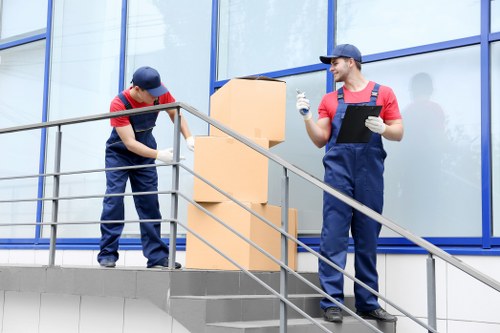 Purpose: This Health and Safety policy sets out the approach of our London Man Van operation to protect the welfare of staff, customers and the public. It outlines responsibilities, safe working practices and the systems we maintain to reduce risk. The policy applies to every person working in man-and-van operations and to the management of vehicles, equipment and manual handling activities.
Scope and commitment
We commit to maintaining a safe working environment for our team and our clients by proactively identifying hazards and applying controls. Safety is embedded in routine planning, vehicle checks and customer interactions. Management will resource training, provide appropriate personal protective equipment and ensure supervision so that safe working is consistent with the operational needs of a small removal and courier style service. Responsibilities: Everyone has a part to play. Managers are responsible for risk assessment, safe systems, training and monitoring performance. Drivers and loaders are responsible for following procedures, reporting hazards and using provided PPE. Staff must not undertake tasks they consider unsafe and should raise concerns promptly. The overall aim is clear lines of responsibility with practical, achievable controls.
Risk assessment and control measures
Risk assessments will be carried out for regular tasks such as loading, unloading, driving, securing loads and customer property handling. Controls include safe manual handling techniques, use of trolleys and straps, securing cargo to prevent shifting and checks on payload limits. Work planning considers site access, parking, trip hazards and weather, with contingency to minimise exposure to harm.Vehicle safety and maintenance are essential. Regular pre-shift checks must be performed to verify brakes, lights, tires and load restraints. Vehicles will be serviced according to manufacturer recommendations. Records of inspections and repairs will be kept to support ongoing safety and to ensure that the fleet remains roadworthy and suitable for the tasks assigned.
 Manual handling and ergonomics: Lifting and moving furniture, boxes and goods is a core activity. Staff will be trained in safe lifting techniques and the use of mechanical aids. Lifts should be team lifts where appropriate, and weight limits applied. Workstations and loading zones will be organised to reduce awkward postures and repetitive strain, and breaks scheduled to reduce fatigue-related incidents.
Personal protective equipment will be provided where risks remain after other controls. This may include gloves, safety footwear and hi-vis clothing. PPE is a last line of defence and must be used correctly. Management will ensure PPE is maintained and replaced as necessary, and will consult staff on suitability to encourage consistent use.
Training and competence: All staff will receive induction training covering safe working practices, vehicle checks, emergency procedures and basic first aid awareness. Ongoing training and refresher sessions will maintain competence in handling procedures, safe driving and customer site risk awareness. Training records will be maintained to demonstrate that staff are competent for their roles.
 Incident reporting and investigation: Any accident, near miss or unsafe condition must be reported immediately. Incidents will be investigated to identify root causes and to implement corrective actions to prevent recurrence. Findings and lessons learned will be shared with staff so that practical improvements are integrated into daily practice and policy updates.
Health and wellbeing are included in the safety approach. Work patterns will be managed to reduce excessive hours and fatigue. Supportive measures and signposting to health resources are encouraged, along with a respectful workplace culture that recognises mental as well as physical wellbeing. Reasonable adjustments will be considered where health conditions affect ability to perform tasks safely.
Emergency procedures and first aid: Emergency arrangements will be in place for vehicle breakdowns, fire, injury and other unforeseen events. First aid kits will be carried and restocked, and nominated staff will hold basic first aid knowledge. Emergency contact protocols for sites will be known and practised during occasional drills so that response is swift and organised.
 Monitoring, review and continuous improvement: Performance will be monitored through inspections, audits and analysis of incident data. Policies and procedures will be reviewed at least annually or sooner following significant change. Staff consultation forms part of the review process, ensuring that practical frontline experience informs continual improvement of safety arrangements.
This Health and Safety policy represents a living commitment to safe operations across our man and van services. It emphasises prevention, staff empowerment and practical measures to control risk. Achieving safety excellence is a shared responsibility: by following the procedures, using equipment correctly and reporting issues without delay, staff and management together create a safer working environment for everyone involved in removals, deliveries and related services.